
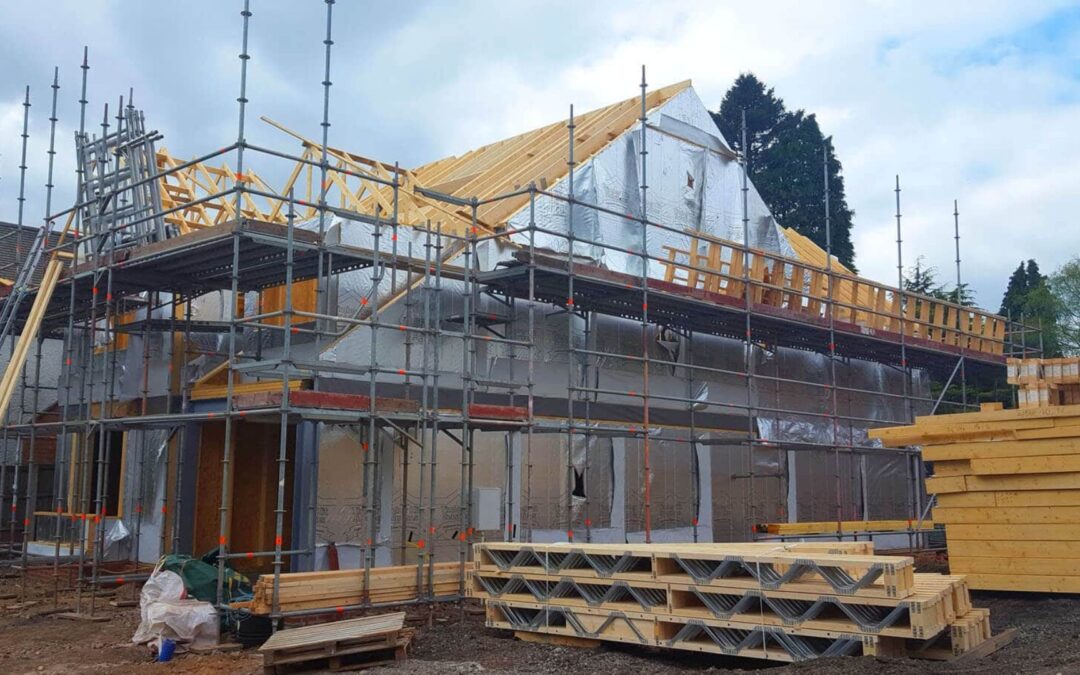
Planning a timber frame home can be exciting yet challenging. Balancing design ideas with a realistic budget is crucial to ensure your project remains affordable and achievable. Many homeowners often underestimate the costs of a self-built timber frame house, which can lead to unexpected expenses later. Careful planning, prioritising essential features, and understanding where to invest wisely will help you stay on track. From choosing the right materials to considering long-term efficiency, every decision impacts your budget.
Key steps to plan your timber frame home
By taking a structured approach, you can create a beautiful, energy-efficient timber frame home while avoiding unnecessary overspending and stress.
Set a realistic budget
Start by estimating all potential expenses, including land, materials, labour, and planning fees. Research average self-build timber frame house costs in your area to avoid surprises. Factor in a contingency of 10-15 per cent for unforeseen costs. Being realistic about what you can afford will guide your decisions during the design and construction phases.
Prioritise your needs
Identify the features that matter most for your lifestyle. Decide on the number of rooms, layout preferences, and energy-efficient elements. Focusing on essentials first prevents overbuilding and ensures that every pound spent adds value. Avoid including unnecessary extras that can quickly escalate your budget.
Choose materials wisely
Select timber and other materials that offer both durability and cost-effectiveness. Quality materials can reduce future maintenance costs, while cheaper options may lead to repairs and replacements. Research suppliers and compare prices to get the best value without compromising on quality.
Plan efficiently
Work with architects or designers experienced in timber frame construction to optimise your home layout. Simple, well-thought-out designs are easier to build and cost less than overly complex structures. Efficient planning also improves energy performance, which saves money in the long term.
Schedule construction strategically
Consider the timing of your build to avoid periods when labour or material costs rise. Efficiently coordinating deliveries and construction phases reduces delays and unnecessary expenses. A clear schedule helps maintain control over the project budget and keeps the build on track.
Explore energy efficiency
Investing in insulation, double glazing, and modern heating systems can reduce energy bills over time. While some features require an upfront investment, they can lead to significant savings in the future. Balancing initial costs with long-term benefits is a key part of planning wisely.
Planning a timber frame home without overspending requires careful budgeting, smart material choices, and efficient design decisions. By considering all expenses and prioritising essential elements, you can manage the costs of a self-build timber frame house effectively. With the right approach, you can create a high-quality, energy-efficient home that meets your needs without exceeding your budget.
Explore professional guidance and ready-to-use kits with Timber Kit Solutions. Their team helps you design and build a timber frame home that combines quality, efficiency, and affordability. Make your dream home a reality with expert support tailored to your project’s needs and budget.